

I ate sweets and ate meals.hyperglycemiaIf this continues, it will have many negative effects on your body. One of them isOxidative stress caused by reactive oxygen speciesThese include: Oxidative stress damages the body,Accelerate agingThis will cause it. In this article, we will discuss the effects of high blood sugar.Oxidative stressやReactive oxygen speciesI will explain this further.


What exactly are reactive oxygen species?
What exactly are reactive oxygen species?
Reactive oxygen speciesThis refers to highly reactive oxygen molecules that promote oxidation reactions.Oxidation reactionThis is what happens when a cut apple turns brown or iron rusts red; it also happens inside the body. Simply put,The body rusts due to oxidation reactions.、Accelerating agingThis leads to...

Oxidative stress caused by reactive oxygen species can lead to a variety of problems, so caution is necessary. In terms of beauty, it can cause age spots and wrinkles, and it can also contribute to diseases with a high risk of mortality, such as myocardial infarction and stroke.

How are reactive oxygen species produced?
So, how are reactive oxygen species produced?
Mitochondria, a part of human cells, use more than 500 liters of oxygen and sugars taken in from food to produce energy each day, but in that process, some of itReactive oxygen speciesIt changes to this. And there are other causes of reactive oxygen species generation as well.

Does persistently high blood sugar generate reactive oxygen species?
Even people without diabetes can experience hyperglycemia after meals, when insulin cannot keep up with processing sugar.When blood sugar levels are high, sugar adheres to the blood vessels and triggers a chemical reaction.Generates a large amount of reactive oxygen speciesI'll make it happen.Furthermore,Reactive oxygen species cause blood vessels throughout the bodyarteriosclerosisIt will also progress。

Here's a list of ways to prevent high blood sugar, so please refer to it ↓
Furthermore, high blood sugar levels cause not only oxidative stress but also a harmful effect called glycation. Please refer to this link for more information on glycation ↓

Oxidative stress can also cause diabetes.
When reactive oxygen species increase and oxidative stress rises, it can lead not only to arteriosclerosis but also to the promotion of diabetes and obesity.In fact, the beta cells in the pancreas that secrete insulin are vulnerable to reactive oxygen species! When insulin can no longer be secreted normally, it leads to type 2 diabetes.
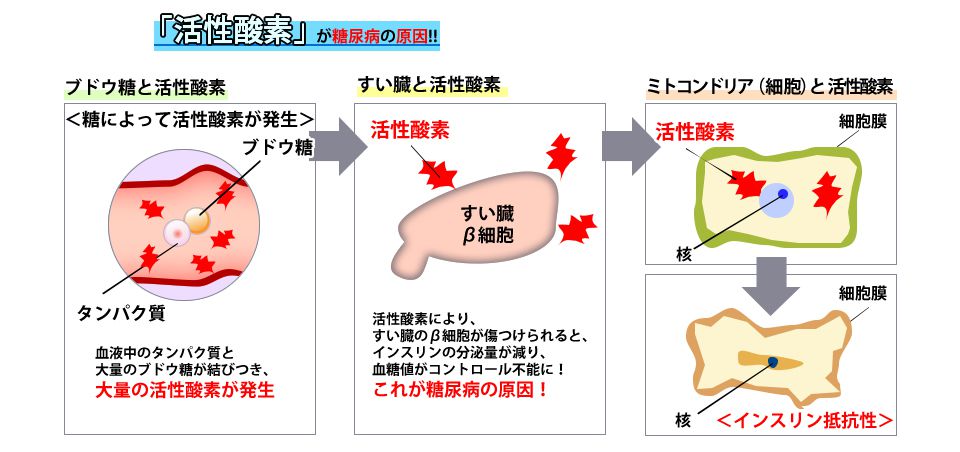
Furthermore, research has shown that oxidative stress affecting the brain can also lead to diabetes and obesity.
*If you would like to refer to the actual paper,HereYou can jump to the paper from here.
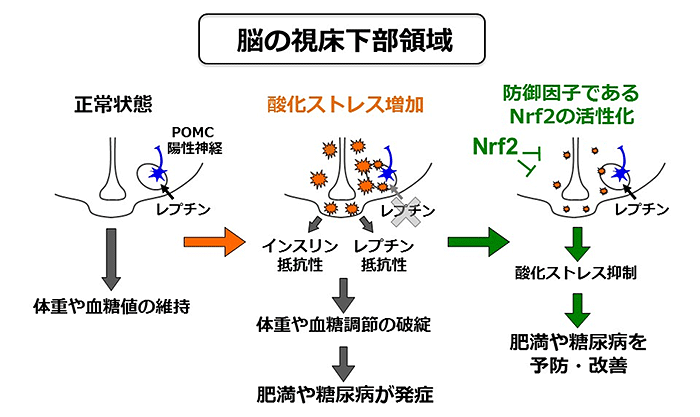
It has been found that when oxidative stress accumulates in the brain, it reduces the number of neurons, particularly in the hypothalamus, which is important for regulating metabolism throughout the body, and weakens the effects of insulin, a blood glucose-lowering hormone, and leptin, an obesity-suppressing hormone, thereby causing obesity and diabetes throughout the body.
『Mechanism by which oxidative stress causes diabetes elucidated - Improvement of obesity and diabetes through oxidative stress defense mechanisms - [Press Release]Quoted from '
lastly
High blood sugar levels increase oxidative stress, which can lead to arteriosclerosis and diabetes. It's important to pay attention to your blood sugar levels in your daily life.

comment