A collection of famous quotes by Shozo Kajima, a philosopher (Taoist) who practices Taoism.
Selecting famous quotes and people
2020.05.21
Sponsored Link
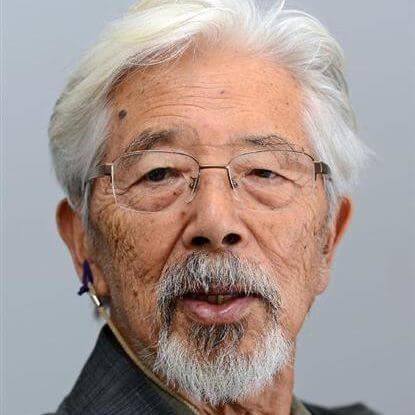
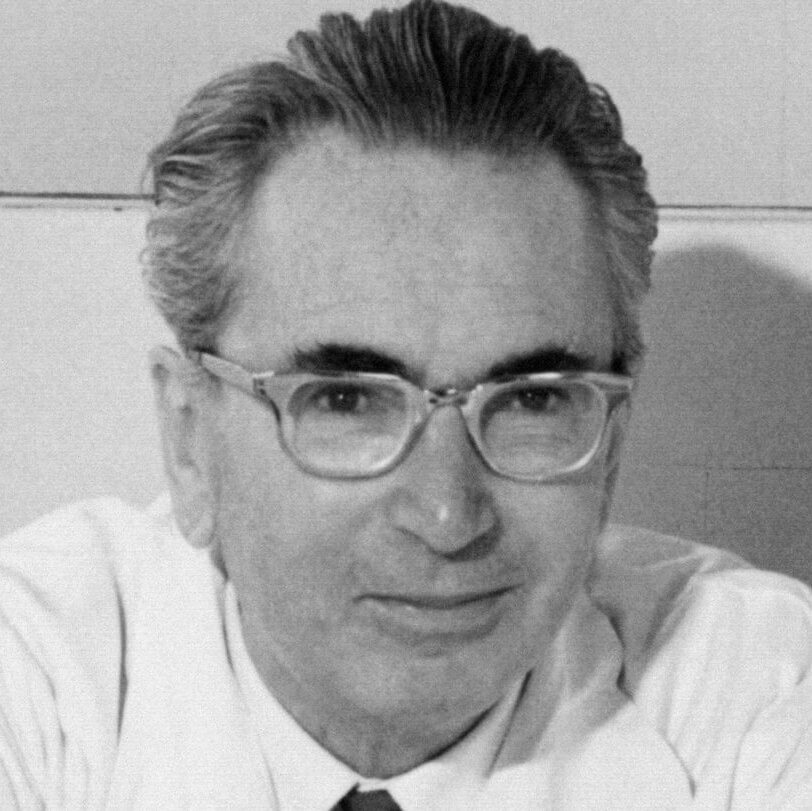
Shozo Kashima(Real name: Shozo Kajima) is a poet, translator, and philosopher.Lao TzuA philosopher (Taoist) who practices the teachings of Taoism.And since 1990, he has been living alone in the Ina Valley, Nagano Prefecture.They lived surrounded by nature.He is also known for this. (Lao Tzu's famous quote can be found here →)A collection of Lao Tzu's famous quotes)
In 1993, he published "Tao Hia Nau," a translation (abridged version) of the "Tao Te Ching."For the first time in JapanLao TzuExpressing this philosophy through modern poetry"Tao Hia Now," along with the complete translation of "Tao - Laozi" (Chikuma Shobo), has become a long-selling book. Published in 2007,The bestselling poetry collection "Don't Ask" (over 450,000 copies sold), which begins with the phrase "Don't ask."It brings us peace of mind in our stifling society.
I don't feel like answering the question, "What is happiness?" Do people really seek such an abstract concept?
It's impossible to completely abandon all desires, nor is it necessary to go that far. However, when you're surrounded by too many unnecessary things, it becomes difficult to see who you truly are.
What does it matter to you when the world says "yes" or "no"?
No one will follow someone who is only proud. Pushing too hard will inevitably backfire.
I don't want to be someone who clings to the past (sadness) forever. Loneliness and fear come from being trapped in the past or the future.
I used to be so convinced that I wanted to live freely that I never wanted to have a family. But you know what? When you actually have children, they're so cute.
A mother should leave her children alone as much as possible and let them do what they like. Then, when they go out into society, they will go their own way.
Children are healthy. That's because a large proportion of them is their "original self" (their natural self). As they go on to university and enter the workforce, the proportion of their "social self" increases.
Serenity and peace. To attain these two things, you must be content with what you have now.
Nature, while capable of causing devastating disasters like the Great East Japan Earthquake, also possesses a gentle capacity for regeneration. It has the ability to nurture all living things. Humans are beings connected to nature, living in harmony with it.
Humans are connected to something much bigger. Our minds just don't understand it, but I think our bodies know.
Death isn't a pointless disappearance. I believe it's something that will be used again in some form. We just need to accept that change.
Even if you feel like you're a "flawed person," don't label yourself as "flawed."
Look at nature. Then you'll start to see it in other people too. You'll realize where you were unbalanced.
Didn't everyone, as a baby, have an innocent, cheerful, and good nature? Your "original self" holds the energy to help and nurture your life, and accepting it brings a sense of peace.
I think that the recent bullying issues are being over-reported by the media, and that society is overreacting to some extent.
Every child wants to ride a horse and wander around on their own.
Parents were "scared" when they were growing up too. That's why they want their children to be on the best possible track in a competitive society. Education is also about staying on that track. They're terrified of deviating from it.
"Overprotection" is a form of abuse. It's important for parents to accept their children for who they are. They should accept their freedom and their growth.
(What kind of child has no escape at home?) It's when parents trap their children within their own expectations. They lay out a path for their children's future—getting into a good school, getting a good job, etc.—and deny them any freedom. As a result, children only do what pleases their parents.
The 30s and 40s are a time when you take on positions of responsibility both socially and domestically, so you face a "double constraint." The people you associate with gradually become limited to those "constraints."
I stepped away from the "urban competition" and became a teacher in the countryside (a lecturer at Shinshu University). At that time, I was at the height of my career, so everyone said, "Kashima is an idiot."
In my 30s and 40s, I was involved in society and fulfilled my duties (as a university professor, translator, etc.). However, that was the "joy of a competitive society," not the "joy of being alive."
Only those who know that what they have is enough can truly understand the richness of life.
Please don't misunderstand. Even if we say we don't want things, humans are inherently beings who always want things.
When I say "don't ask for it," I mean not asking for things that I don't need to ask for. Then the life force within me begins to stir. That leads to joy.
Every living thing craves it. It craves it with its entire being. Even a single blade of grass. But after it blooms, it quietly waits for the next change. I want to learn a little from such plants and flowers.
I don't ask for it. Then you stop comparing them.
I don't ask for it. Then I realized once again that humans are creatures of desire.
I don't ask for it. Then the things you already have will come alive.
I don't ask for it. Then I realize I have plenty now.
I don't ask for it. Then you realize that you can still manage to live, surprisingly.
I don't ask for it. Then your mind becomes calm.
I don't ask for it. Then you begin to understand people's hearts, because you start to see things without considering self-interest or profit and loss.
I don't ask for it. Then you'll see something even more important: it's already within what you possess.
I don't ask for it. Then you won't be disappointed.
I don't ask for it. Then harmony with others occurs.
I don't ask for it. Then your own clock starts spinning.
I don't ask for it. Then you realize that it's okay even if you don't ask for it.
I don't ask for it. Then you begin to see yourself just as you are right now.
We are always trapped in something. That's what it means to live in society.
After the war, Japan had nothing, so people worked hard to acquire many things. As a result, Japan became a society overflowing with material possessions. It's about time we started to temper our desires.
It's impossible to completely abandon all desires, nor is it necessary to go that far. However, when you're surrounded by too many unnecessary things, it becomes difficult to see who you truly are.
What do I truly need? Am I perhaps seeking too much, including things I don't need?
*If you enjoyed Shozo Kajima's quote, please share it on social media by clicking the buttons below to spread the word to your followers!













comment