
On this page, out of the 16 types,INFP (Mediator = Psychologist type)This article explains their personality, characteristics, values, and views on love.
youINFP (Mediator = Psychologist type)Then
Share it on social media (tweet it) and let your followers know!
↓↓↓Share on social media (tweet)↓↓↓
↑↑↑Share on social media (tweet)↑↑↑
Classifying personalities into 16 types16-Type Personality TestCheck which type you are using the following↓↓

↑16-Type Personality Test↑
↑Diagnose↑
Your 16-type personality test result is...
"INFP type (Psychologist type)"
Detailed diagnosis results ↓
"She was a bit isolated from the others, so I decided to strike up a conversation with her. She was quite frank and friendly, and she laughed a lot, looking like she was having fun. I guess she's probably just shy."
I think they're concerned about the appropriate distance between themselves and others, but because they don't try to interact much with those around them, they might be misunderstood as being "stuck-up" or "haughty." In reality, that's completely wrong.
Let's get straight to your diagnosis results.
Share it on social media (tweet it) and let your followers know!
↓↓↓Share on social media (tweet)↓↓↓
↑↑↑Share on social media (tweet)↑↑↑
Your type,INFP (Psychologist type)This explains their personality, characteristics, values, and views on love.


- INFP (Mediator = Psychologist type) character
- Characteristics of the INFP (Mediator/Psychologist type) personality
- Things that INFP (Mediator = Psychologist type) people might be interested in
- How common is the INFP (Mediator/Psychologist type)?
- What do the four letters "INFP" in "INFP (Mediator = Psychologist type)" mean?
- Interesting facts about INFP (Mediator = Psychologist type)
- Further characteristics of INFP (Mediator = Psychologist type) and compatibility with other types
- Famous people and great figures who are INFP (Mediator = Psychologist type)
- INFP (Mediator/Psychologist type) is the complete opposite of ESTJ (Executive/Manager type).
- The values and motivations of the INFP (Mediator/Psychologist type)
- Are INFPs (Mediators/Psychologist types) highly sensitive people (HSP)?
- A neuroscience explanation of INFP (Mediator = Psychologist type)
- Recommended books for INFP (Mediator = Psychologist type)
- Similar to INFP (Mediator = Psychologist type)
- Instructions for INFP (Mediator = Psychologist type)
INFP (Mediator = Psychologist type) character
first,INFP (Mediator = Psychologist type)To give you a sense of what kind of type it is,INFPLet me introduce the characters.

Gohan appears frequently in Dragon Ball (volume 18), and it's a good reference as it gives a good sense of what an INFP personality is like. You can also read a sample on Amazon ↓
Next, Shinji Ikari from Evangelion is also an INFP type.
You can get a general idea of Shinji Ikari's personality from the following videos and comics, but INFP types generally have a gentle demeanor.

Famous anime characters from Dragon Ball, Studio Ghibli, and more are categorized into 16 personality types!
Let's get a feel for the unique atmosphere of each type ↓
Characteristics of the INFP (Mediator/Psychologist type) personality
Psychologist type (INFP)They are imaginative idealists, guided by their core values and beliefs.Psychologist type (INFP)For them, possibility is paramount. They believe that immediate worries are only temporary. They seek out possibilities for a better future and pursue truth and meaning with their unique talents.
Psychologist type (INFP)INFPs are sensitive, compassionate, and deeply involved in their own and others' growth. Individualistic and neutral, they believe everyone must find their own path. They enjoy taking time to explore their own thoughts and values and gently encourage others to do the same. INFPs are creative, sometimes artistic, and enjoy finding new ways to express themselves.
INFPs might initially give off a cool and sophisticated impression because they only reveal their true feelings to those who truly know them.
I'm the type of person who thinks flexibly, sometimes escaping reality or becoming spiritual, and I'm very interested in discussing values, ethics, relationships, and personal growth.
I am very curious, open-minded, and free from prejudice. I constantly strive to deepen my understanding and insight into myself and those around me.
INFPs are passionate about realizing their ideals, but their reserved and secretive nature means that most people don't realize how deeply they hold onto their beliefs and convictions.
INFPs are highly sensitive and empathetic, and they spend their lives searching for meaning and identity.
This type of person isn't very interested in ordinary, everyday life, and is more excited by interesting ideas than by facts.
Furthermore, they are open to accepting others' opinions and ideas, and they are often curious about and greatly attracted to unconventional ways of thinking and lifestyles that are not bound by common sense. They enjoy experiencing new concepts in self-expression and often have a special affection for art, especially avant-garde art.
Strong Points
- Loyal and devoted
- Being able to sense the subtle emotions of others
- Compassionate and interested in others
- Value close relationships
- I'm good at grasping the big picture.
Disadvantages
- Sometimes we pursue our ideals too much.
- I tend to take everything personally.
- (Difficult for others to approach)
- Sometimes we get overly concerned with trivial things that aren't important.
- Overlooking the details
Things that INFP (Mediator = Psychologist type) people might be interested in
Poetry, literature (writing), manga, fashion, lacquerware, theater, music.
Other popular forms of visible art for INFPs include photography, painting, printmaking, sculpture, ceramics, decorative arts, jewelry, design, drawing, digital art, computer graphics, and body art.
How common is the INFP (Mediator/Psychologist type)?
INFP is the 9th most common personality type. Its components are as follows:
- 4% of the general population
- Female 5%
- Male 4%
youINFP (Mediator = Psychologist type)Then
Share it on social media (tweet it) and let your followers know!
↓↓↓Share on social media (tweet)↓↓↓
↑↑↑Share on social media (tweet)↑↑↑
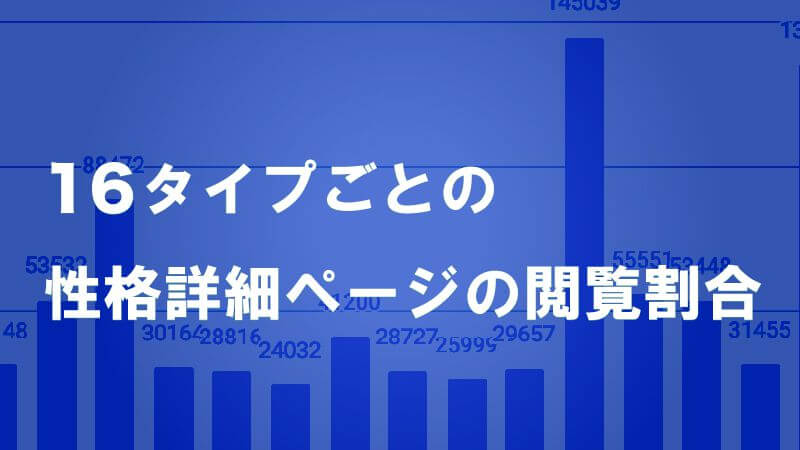
Here is the data compiled from the number of views on the detailed personality pages for each of the 16 personality types on this site ↓
What do the four letters "INFP" in "INFP (Mediator = Psychologist type)" mean?
INFP is an acronym used to describe one of the 16 personality types created by Catherine Briggs and Isabel Myers.Introverted、Intuition、Feeling、PerceivingAn abbreviation for INFP. INFP is a person who feels better when they spend time alone.Introversion – I), a person who focuses on ideas and concepts rather than facts and details (Intuition - N), people who make decisions based on emotions and values (Emotion – F), rather than being planned and organized, a spontaneous and flexible person (Perception – PThis refers to INFPs. INFPs are sometimes called healers because of their compassionate idealism and gentle consideration for others.
Interesting facts about INFP (Mediator = Psychologist type)
- On a personality trait scale, they are artistic, reflexive, inattentive, sensitive, and flexible.
- Of all types, this one has the lowest risk of developing heart disease.
- Men are the least likely to report chronic pain.
- This is the second highest type of complaint reported about one's spouse.
- University students are most likely to have suicidal thoughts.
- They tend to be above average in foreign language learning.
- This type is most likely to be dissatisfied with their job.
- Personal values include autonomy and creativity.
- In the fields of counseling, writing, and art, a large portion of the occupations are
Further characteristics of INFP (Mediator = Psychologist type) and compatibility with other types
- INFP Personality Traits 02
- INFP Personality Trait 03
- INFP's hobbies
- Things that INFPs dislike
- The strengths and weaknesses of INFPs
- Suitable occupations for INFPs
- INFP leadership
- Compatibility between INFP and other personality types
- INFP Relationships and Romance
- How INFPs can grow and achieve their dreams
- How INFPs set goals and gather information
- INFP's Decision-Making Methods
- INFP parent-child relationships
- For INFPs to succeed
↓Learn more↓
Compatibility chart and advice for INFP (Mediator/Psychologist type) and other types.
Ideal compatibility type pair
INFPs are most compatible with people who respect each individual's values.
From an INFP's perspective...
- ISFP (Artist type):Fi – SeThey respect my feelings just as they are.
- INTP (Researcher Type):Ti – NeThey can discuss their ideas and exchange information.
- INFJ (Empathy Type):Ni – Fe, give personal advice
Type pairs that are prone to conflict
INFPs tend to clash with pushy types who don't respect individual values and exert psychological pressure.
From an INFP's perspective...
- ESTJ (Responsible type):Te – SiThey criticize while trying to control you.
- ESFJ (Sociable Type):Fe – SiSometimes they are too meddlesome.
- ENTJ (Leader type):Te – NiHe is very logical, meticulous, and rational, but his demands are intense, making him difficult to be around.
Romantic compatibility type pair
INFPs are most compatible in romantic relationships with people with whom they can easily discuss opinions and who can complement their weaknesses and shortcomings.
Similar to friendships, INFPs can sometimes struggle to get close to potential romantic partners. Once a relationship is established, they are fiercely loyal. However, their romantic views on love can be overly idealistic, leading them to have excessively high expectations of their partner, which can be difficult for the other person to handle. They also tend to take things personally and try to avoid conflict.
From an INFP's perspective...
- ENFP (Reformer type):Ne – Fi, respecting each individual and being able to have productive discussions
- ESTJ (Responsible type):Te – SiIt provides a sense of long-term security.
- ISTJ (Hardworking Type):Si – TeIt allows you to build a stable relationship, and you can trust and feel at ease.
*The pairs that tend to clash and the pairs that have good romantic compatibility may overlap. This is because while people may dislike those who are the complete opposite of themselves due to disagreements, they may also be attracted to those who appear mysterious because they are different. However, it seems that these relationships often end up breaking down.
(Advice for those dating an INFP)
If your partner is an INFP, keep in mind that you may have difficulty getting them to open up, they can be overly sensitive to criticism, and they may prioritize your happiness over their own.
A collection of links explaining the psychological functions of the INFP (Mediator/Psychologist type) (for those who want to understand how the mind works)
Reading the following roadmap from top to bottom will help you understand the INFP mindset in a logical order ↓
- Roadmap – INFP (Mediator = Psychologist) type –
- Introduction – What is MBTI?
- Summary of my personality
- Cognition is
- Type-specific cognitive characteristics
- Four personality indicators (psychological tendency axes)
- Conflicts over personality indicators
- “The meaning of the four letters "INFP"
- First character:Introvert (type I) or extrovert (type E)
- Second character:Intuitive type (N type) or Sensing type (S type)
- Third character:Feeling type (F type) or thinking type (T type)
- 4th character:Perceiving type (P type) or Judging type (J type)
- About psychological functions (cognitive functions)
- What are psychological functions (cognitive functions)?
- The eight psychological functions (cognitive functions)
- Decision-making (judgment) function
- Information gathering (perceptual) function
- Understanding your own psychological functions (cognitive functions)
- The developmental process of psychological functions (cognitive functions)
- The psychological functions (cognitive functions) of INFPs
- First function:Introverted Feeling (Fi)
- Second function:Extroverted Intuition (Ne)
- Third function:Introverted Sensing (Si)
- Fourth function:Extraverted Thinking (Te)
- Making good use of psychological functions (cognitive functions)
- The strengths and weaknesses of INFPs
- Make the most of your strengths
- Reasons for focusing too much on the advantages
- How to improve your weaknesses
- If you are alone
- In a team setting: Have others compensate for your weaknesses (fourth function).
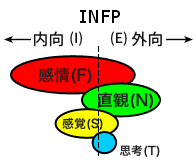
To truly understand INFP (Mediator = Psychologist type),Psychological functions (cognitive functions)* is important ↓
*Generally in cognitive science,Cognitive functions「The function by which living organisms actively collect external information, perceive and remember it, and then process it by adding reasoning and judgment in order to acquire knowledge about their subject.It is defined as "
- Introverted Feeling/Fi
Very good at it /First function: Decide what you believe is right for you, what is morally right within your worldview, and what you should do according to your personal values. - Extroverted Intuition/Ne
I'm a little good at it /second functionIt reveals the negative consequences of current actions, future outcomes, and the intentions behind people's actions. - Introverted Sensing/Si
I'm not very good at it.Third functionThey use past experiences to justify their current attitudes. They may also become risk-averse and unable to leave their comfort zone. - Extraverted Thinking/Te
I'm really bad at it /Fourth functionThey fear and worry about what others think of them. They are unable (or unwilling) to organize their thoughts rationally and logically.
<INFP's Cognitive Framework>
List of related articles for INFP (Mediator = Psychologist type)
- INFP psychological function
- “The meaning of the four letters "INFP"
- The cognitive functions of the INFP (Mediator/Psychologist type)
- The integration of the second and third functions of the INFP (Psychologist type)
- The difference between introverted feeling (Fi) and extroverted feeling (Fe)
- The difference between extroverted thinking (Te) and introverted feeling (Fi)
- IP Type: People who develop through self-discipline
↑Learn more↑
Famous people and great figures who are INFP (Mediator = Psychologist type)
Famous INFPs include the following well-known figures and notable individuals (estimated by the author):
- Shirahoshi (One Piece)
- John Lennon (musician)
- Johnny Depp (actor)
- Antoine de Saint-Exupéry (writer)
- Jungkook (BTS)
- Ayumi Hamasaki
- Karen Anzai
- Yuki Terada (actress)
- Vanilla (talent)
- Isabel Briggsmeyers (creator of MBTI)
- Audrey Hepburn (actress)
- Tolkien (author)
- Princess Diana (British Royal Family)
- William Shakespeare (playwright)
↓Pay attention to Terada Yuki's demeanor and reactions
↓Ayumi Hamasaki"and"Karen Anzai」
Let's take a look at the lyrics of these two. INFPs seek to explore their inner selves.「Introverted Feeling (Fi) 」This psychological function is strong. People with a strong function of this functionThey value their own values and are highly sensitive.However, this is also reflected in the lyrics. The following lyricsdeficitThe partIntroverted Feeling (Fi)This is a good example of that.
Introverted Feeling (Fi) is
As an introverted psychological function, awareness is directed inward. As an emotional psychological function, judgments and decisions are based on how one feels.
keyword
Harmony of heart, kindness, gentleness, strength, patience, listening, empathy, compassion, love, loyalty, mercy, assistance, human nature, ethics, morality, judgment of good and evil, value, meaning, judgment of truth and falsehood, justice, aesthetic sense, sense of beauty, sensitivity, emotion, awe, passion, determination, capturing impressions, seeing the essence of the heart, nurturing, protection, advocacy, defense, individuality, vulnerability, sensitivity, sentimentality, resolve, inner experience, independent values, unique standards, skepticism, seeking authenticity, frankness, high ideals, diversity, sincerity, altruism, correction, dignity
Quoted from "Let's Look at the World from the Perspective of MBTI Personality Type Theory" (website no longer exists) (with some modifications)
reference:Introverted Feeling (Fi)
↑Click to open↑
- Ayumi Hamasaki / trauma
~(omitted)~
Ayumi Hamasaki Trauma
Things that are useless, things that are overflowing, things that are of no use
I'll choose without hesitation. yes So that I can be myself.
I've always defined my own standards of happiness.
Happy faces today Sad faces today
Even if a wound that healed yesterday starts to reopen today
Who would you show this to? I would want to show it to that person.
Ayumi Hamasaki / About You
Everyone surely has it hidden somewhere in their heart
Ayumi Hamasaki Trauma Partial quotation
Those who possess darkness
That sometimes gets in the way and prevents me from living the way I want to.
Create yourself
・Karen Anzai / I felt like the whole world was my enemy and even loved my loneliness (Prod.by ats-)
~(omitted)~
Karen Anzai / I felt like the whole world was my enemy, and I even loved my loneliness (Prod.by ats-)
No matter what is said, no matter what happens
I don't want to live my life conforming to those around me.
My life is my own.
I believe that I will shine someday, and I move forward. Go way
~(omitted)~
Nothing is meaningless.
No matter what is said, no matter what happens
I don't want to live my life conforming to those around me.
My life is my own.
I will continue to believe that I will shine someday.
I swear right here and now that I will become stronger. Go way
Looking at the lyrics of the two,Ayumi HamasakiMr.Karen AnzaiNot only do they share the commonality of being singers with a "gyaru" appearance who are signed to Avex, but they also "search for their own inner selves (without conforming to others)."”Introverted Feeling (Fi)” 」This shows that they even share a common psychological function. That's probably why they both became singers (it's known that many artists are INFPs). The following is said to be an autobiography based on the life of Ayumi Hamasaki. It has also been made into a drama, so it's familiar to fans.
Next up is '1984The British author who wrote the novel '...George Orwell was also an INFP.It is said that...An immortal masterpieceIt is calledPerfect for understanding the unique worldview of INFPs.It is a novel.
Synopsis of '1984'
In a totalitarian near future ruled by the Party led by "Big Brother," Winston Smith is a Party member working in the Ministry of Truth's Records Bureau, tasked with falsifying history. However, he has grown increasingly dissatisfied with the regime that demands perfect obedience. One day, after meeting the free-spirited beauty Julia, he becomes drawn to an anti-government underground movement rumored to have been organized by a legendary traitor...
Great figures with the INFP (Mediator = Psychologist type) personalityClick here ↓
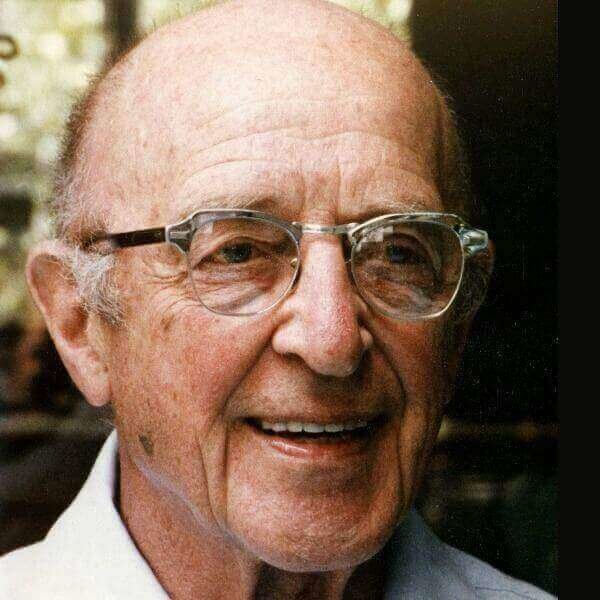
Here is a collection of famous quotes from great figures and celebrities categorized by their 16 personality types.
↓
INFP (Mediator/Psychologist type) is the complete opposite of ESTJ (Executive/Manager type).
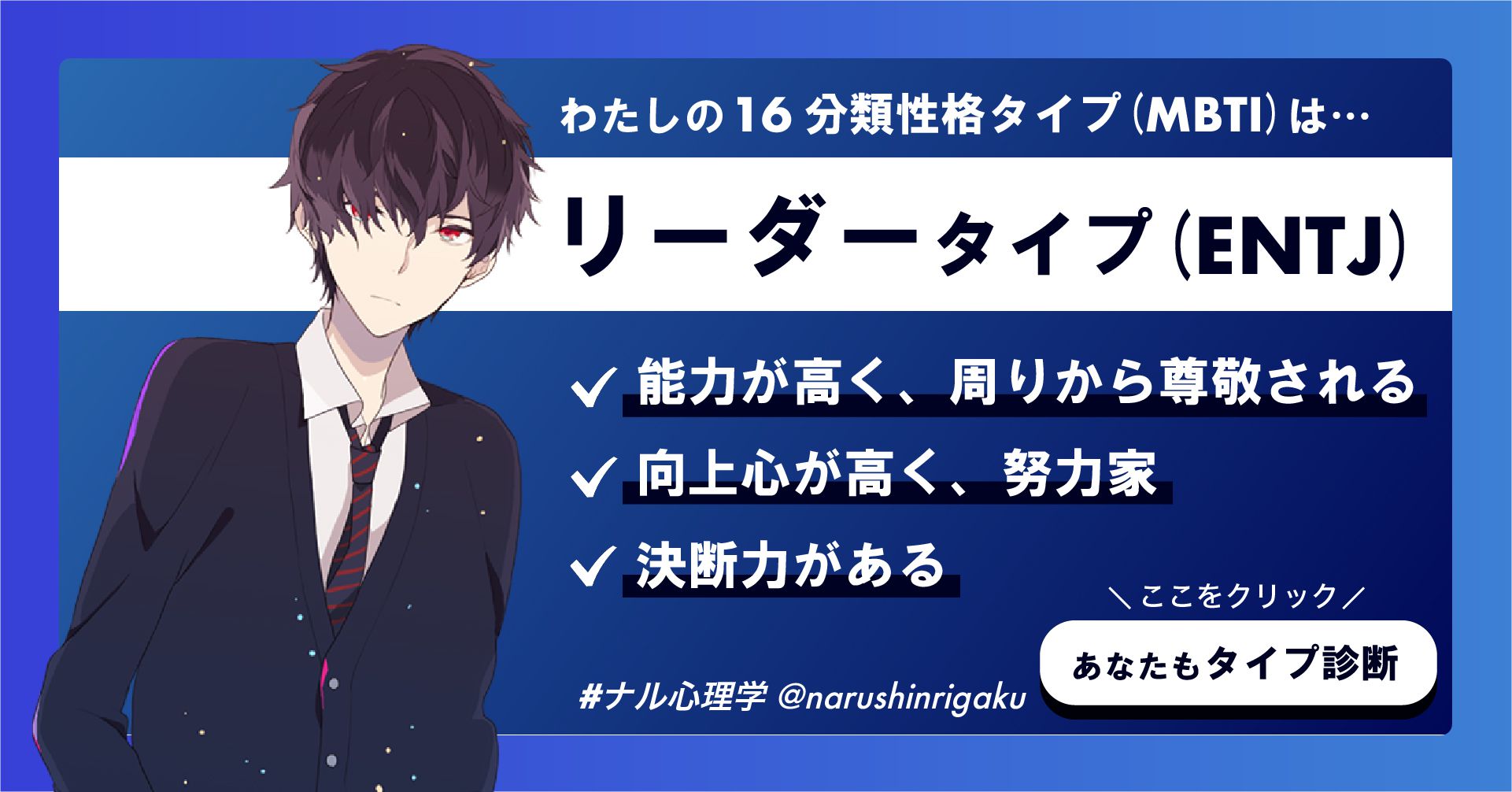
Anime characters of the ESTJ type, which is the complete opposite of INFP, include Asuka from Evangelion, Namihei Isono from Sazae-san, Misty from Pokémon, and Jessie from Team Rocket. Unlike INFPs, you can see that they are assertive and confident.
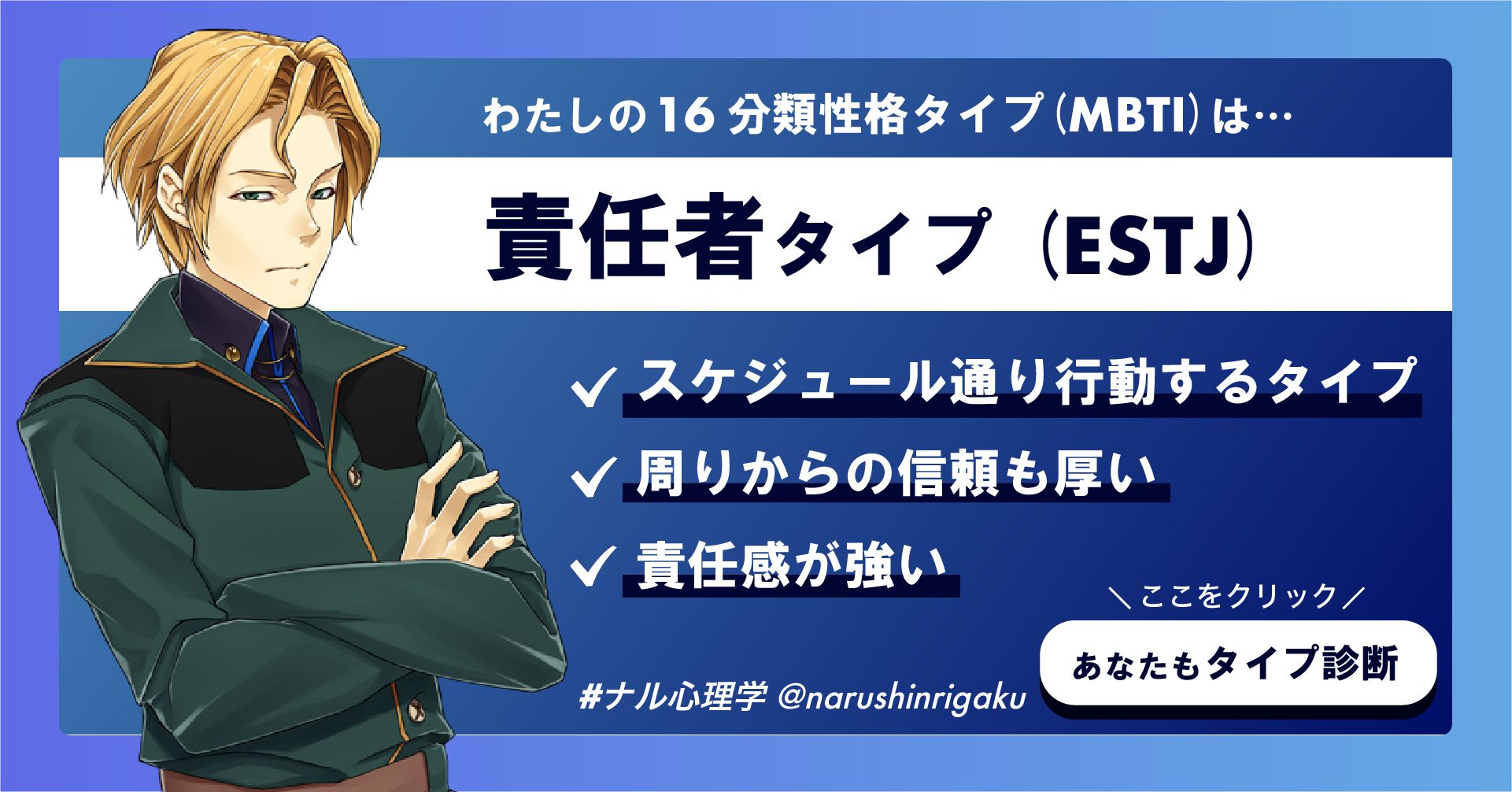
ENTJs are a type that stands out for their "goal-oriented" nature, which is quite different from INFPs. There may be a lot we can learn from this type. For example, Takafumi Horie, also known as Horie-mon, is an ENTJ type.
The values and motivations of the INFP (Mediator/Psychologist type)
INFPs, who value "identity" and "authenticity," want their actions to be original and unique. They are the type of person who is interested in searching for meaning and truth within themselves.
INFPs are not drawn to living according to traditional values and customs, and instead seek to develop their own values and beliefs. They are often unconventional and do not try to conform to or adapt to others. As a result, they tend to act in ways that are unconventional and unorthodox.
This is because INFPs value making their own decisions about what is right. Rather than conforming to those around them or trying to blend in with the group, they strive to be true to themselves and be honest with themselves.
INFPs believe that everyone should walk their own path, and they are free from prejudice against others, understanding, respecting, and accepting of them. Furthermore, INFPs are flexible and adaptable, able to view and consider things from many perspectives, and are the type of person who can incorporate the opinions of various people.
On the other hand, while understanding and supporting others is important for INFPs, they can also react strongly if they feel their beliefs or values are being violated.
Furthermore, INFPs dislike and avoid being swayed by people who insist they are always right. This is because INFPs idealize open and collaborative exchanges of opinions.
youINFP (Mediator = Psychologist type)Then
Share it on social media (tweet it) and let your followers know!
↓↓↓Share on social media (tweet)↓↓↓
↑↑↑Share on social media (tweet)↑↑↑
Are INFPs (Mediators/Psychologist types) highly sensitive people (HSP)?
INFPteeth,They are more sensitive than others and are more perceptive of the feelings of those around them.There seems to be a tendency for this to be the most sensitive temperament.HSPIt is called that.
If any of the following apply to you,HSPThere is a high probability that this is the case.↓
- My way of thinking is complex, and I think deeply before I act.
- Sensitive to stimuli and easily fatigued
- Easily swayed by other people's feelings, and easily empathetic.
- All senses are sharp
The following bookThat's an excessive level of sensitivity.In this book, the author, who is an HSP herself, introduces her daily life in easy-to-understand four-panel comics. Amazon reviews also say,However, this book, "Too Sensitive to Really Feel," humorously depicts the world through the eyes of an unconventional author, which is entertaining and uplifting in itself. It also includes coping strategies that might be helpful for highly sensitive people (HSPs).』(Review from qcteddy)As stated,This contains helpful information for people with sensitive constitutions.If you think you might be an HSP (Highly Sensitive Person), I recommend you read this.
『I hope this book will help you feel a little lighter in your heart, by making you think, "There are people just like me."』
by author
A neuroscience explanation of INFP (Mediator = Psychologist type)
Also,The 16-type personality test has also been explained from a neuroscience perspective.It is happening.Psychologist type (INFP)I often come up with various ideas, but that's because my brainInnovation and inspirationDirection"Default Mode Network"This might be because of the way it is. Also,Psychologist type (INFP) The ability to respond flexibly is due to the brainFickle neuronsThis may be due to the presence of a large number of such neurons.
For more details, please refer to the article below ↓
.jpg)
とMBTIの関係.jpg)
Recommended books for INFP (Mediator = Psychologist type)
INFP (Mediator = Psychologist type)This type is better than other types.Because they are kind, sensitive, and highly empathetic, they often struggle with interpersonal relationships.It seems so. And the psychologistAlfred AdlerHe said,"All human suffering stems from interpersonal relationships."That is so... For INFPs, who are particularly sensitive, as well as for other personality types,Adlerの"The Courage to Be Disliked"This is an excellent book that offers solutions to relationship problems.
For INFPs, who are particularly sensitive (and of course for other types as well), Adler's "The Courage to Be Disliked," which I mentioned at the beginning, is a truly wonderful book.
If you are having trouble with relationships, please check out the following Amazon link.Try readingI recommend at least reading it.
Furthermore, the positive qualities of INFPs lie not only in their kindness and compassion, but also in their strong will.INFPs believe in their ideals, and their convictions are second to none among other personality types.Here are some books I recommend for INFPs.Murphy's LawThis book argues that wishes can be fulfilled through the strength of one's belief and awareness. Many athletes tell themselves things like, "I can do it, I can do it," before a match, and this leads them to victory. Conversely, it's obvious which is better: going into a match thinking, "I'm going to lose anyway," or telling yourself that.
To guide INFP's strong feelings in a positive directionMurphy's LawThis is ideal. The following manga versionMurphy's LawThis book explains the concept with numerous examples, making it very easy to understand. You can also find it via the Amazon link.Try readingThis is possible, so please feel free to use it as a reference.
Similar to INFP (Mediator = Psychologist type)
- ENFP: E (extrovert) and I (introvert) But they are different.
- ISFP: N (Intuitive type) and S (Sensing type) But they are different.
- INTP: T (thinking type) and F (feeling type) But they are different.
- INFJ: J (Judgment type) and P (Perception type) But they are different.
If you're not confident that you're an INFP, you might be one of the four types mentioned above. Read the article or take some time to think about it again.diagnosisLet's try it.
Instructions for INFP (Mediator = Psychologist type)
If your friends, colleagues, or family members are INFPs, there are things you can do to communicate with them more effectively and deepen your relationships.
*If you are an INFP, showing this guide to your friends and family may help improve your relationships.
To build good friendships
Generally, INFPs tend to have only a few close friends, but these relationships tend to last a long time. While this type of person is skilled at understanding others' feelings, they often struggle to get others to understand their own emotions.
While INFPs crave deep relationships and intimacy, actively engaging with them can be challenging at first. Getting to know an INFP takes time and effort. However, those with the patience and understanding to make the effort to understand them will find great rewards.
Learn more ↓
- Relationships and love life for INFP (Mediator = Psychologist type)
- How extroverts (Type E) and introverts (Type I) can get along well
- How Sensing types (S type) and Intuitive types (N type) can get along well
- How Thinking (T-type) and Feeling (F-type) People Can Get Along Well
- How to get along well with Judging type (J type) and Perceiving type (P type)
To build a good parent-child relationship
INFP parents are typically supportive, caring, and gentle. They excel at setting general guidelines for their children and instilling a strong sense of values. Their goal as parents is for their children to grow as individuals and fully understand the wonders of the world. However, while they often focus on maintaining harmony within the family, they may struggle to share their own emotions with their children.
Learn more ↓
- Parent-child relationships of INFP (Mediator = Psychologist type)
- Parent-child relationships between extroverts (Type E) and introverts (Type I)
- Parent-child relationships between sensing types (S-type) and intuitive types (N-type)
- Parent-child relationships between thinking types (T-type) and feeling types (F-type)
- Parent-child relationships between judging types (J type) and perceiving types (P type)
List of 16 Personality Types
A Collection of Information on the 16 Personality Types – The Little-Known Truths of Each Type (Summary, Illustrations, and Analysis)
- Summary of 16 Personality Type Test Websites
- List of articles categorized by personality type (16 types)
- Compatibility chart for 16 personality types
- Suitable occupations, ideal jobs, and dream jobs for each of the 16 personality types
- Nicknames (names) for each of the 16 personality types
- What if there were a country with 16 personality types...?
- The relationship between national characteristics around the world and the 16 personality types
- List of 16 Personality Types Based on Famous Characters
- Detective Conan: A Summary of 16 Personality Types for Each Character
- Percentage of 16 personality types
- Reactions of 16 Personality Types – Heaven and Hell
- To describe the 16 personality types in one word:
- 16 Simple Explanations of Personality Types
- 16 Personality Types: Strengths, Weaknesses, and Ways to Improve Weaknesses
- 16 Personality Types: Preferences and Strengths/Weaknesses in Majors and Subjects
- 16 Personality Types: How to Enjoy Life to the Fullest…?
- 16 Personality Types: Inspiring Quotes from Great Figures
- What if each of the 16 personality types were a murderer?
- How to become an attractive husband or wife based on your personality type (16 types)
- What 16 personality types do after a breakup
- Reasons for fighting according to 16 personality types
- Income by 16 Personality Types - Misconceptions and Truths -
- Characteristics of employees based on 16 personality types
- Potential pathological tendencies of 16 personality types
- Psychological Functions of 16 Personality Types Based on Statistics
- Viewing percentage of the detailed personality pages for each of the 16 personality types
- Summary of the characteristics of the 16 personality types
- 8 psychological functions: "What if I did...?"
- Approaches to tasks based on psychological function: Intuitive (N-type) & Sensing (S-type)
- Social interaction explained by psychological functions
- Understanding Your Financial Habits Through Psychological Functions – Are You a Saver or a Spender?
- Humor (sense of humor) as revealed by psychological functions
- How extroverts (Type E) and introverts (Type I) can get along well
- How Sensing types (S type) and Intuitive types (N type) can get along well
- How Thinking (T-type) and Feeling (F-type) People Can Get Along Well
- How to get along well with Judging (J-type) and Perceiving (P-type) types
- Characteristics of parents with 16 personality types
- Parent-child relationships between extroverts (Type E) and introverts (Type I)
- Parent-child relationships between sensing types (S-type) and intuitive types (N-type)
- Parent-child relationships between thinking types (T-type) and feeling types (F-type)
- Parent-child relationships between judging (J-type) and percepting (P-type) types
- How to identify your partner's personality type: [16 Personality Types]
comment
Thank you very much for the very clear explanation.