Human cognitive functions when searching for information can be broadly divided into the following two categories:
When there is a purpose (practice)とWhen you don't have a specific goal, but want to find a way to improve something (or at least improve it temporarily)is.


When there is a purpose (practice)
Main psychological functions → Ni(The objective is clear) Te(Use the mechanisms of the world)
Advantages: Efficient information gathering (implementation), ability to achieve things quickly.
Disadvantage: May lead to overlooking important information (and is prone to confirmation bias).
This functiontop downThis is also known as (contrarian investing).
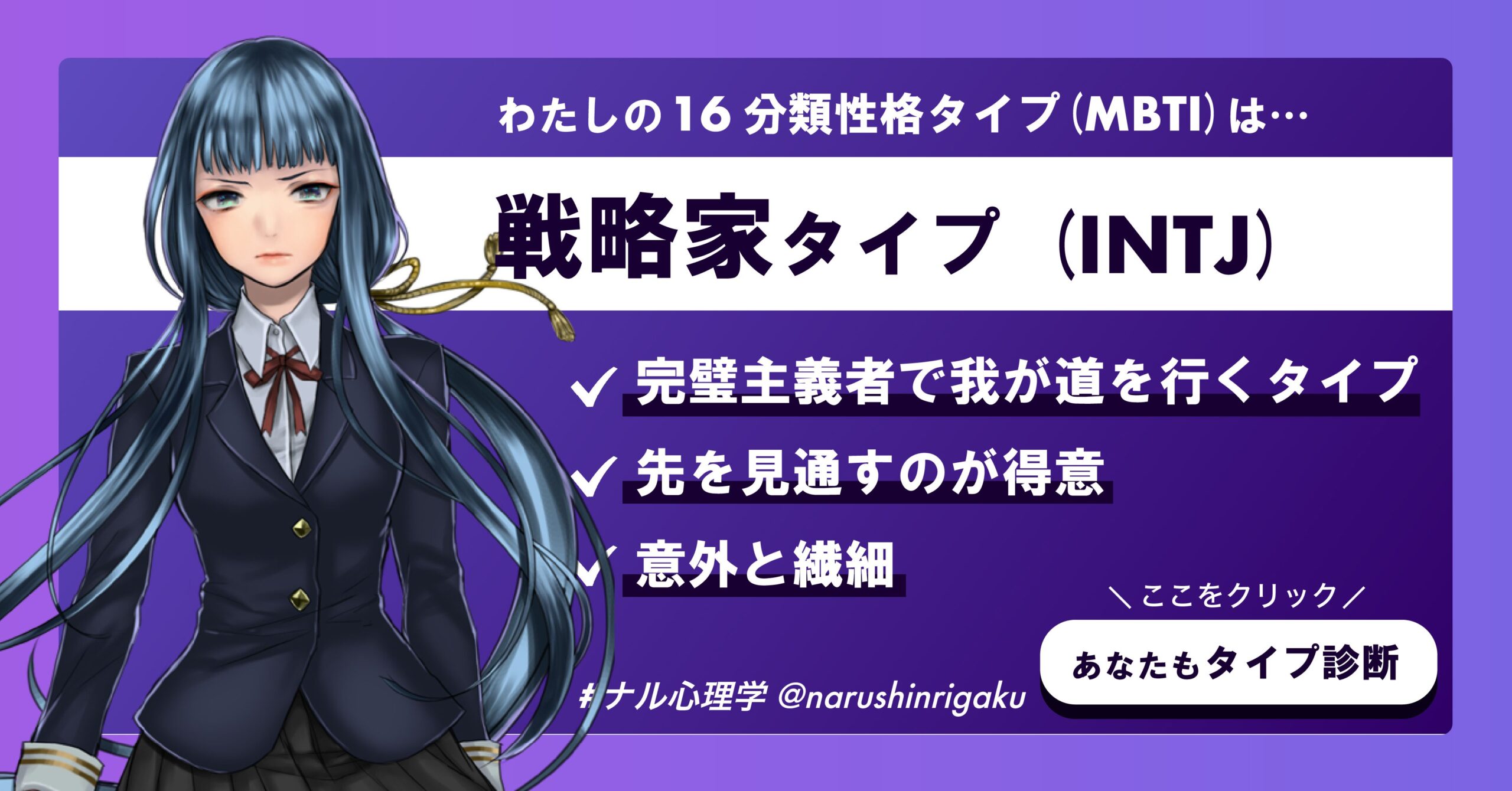
A way of thinking that involves assembling everything and working backward from a clear image of the final product.That's right. People who are generally good at this kind of thinking areINTJAnd so on.
When you don't have a specific goal, but simply want to find ways to improve something or even find a purpose itself (innovation).
Main psychological functions → Ne(Find a purpose or something you can do well) Ti(I'll organize it in my own way)
Advantages: Eliminates confirmation bias, allows for the creation of new ideas.
Disadvantage: It tends to gather a large amount of irrelevant information, making it difficult to efficiently gather information to achieve a goal (it can also easily lead to confirmation bias).
This functionBottom-upThis is also called (trend following).
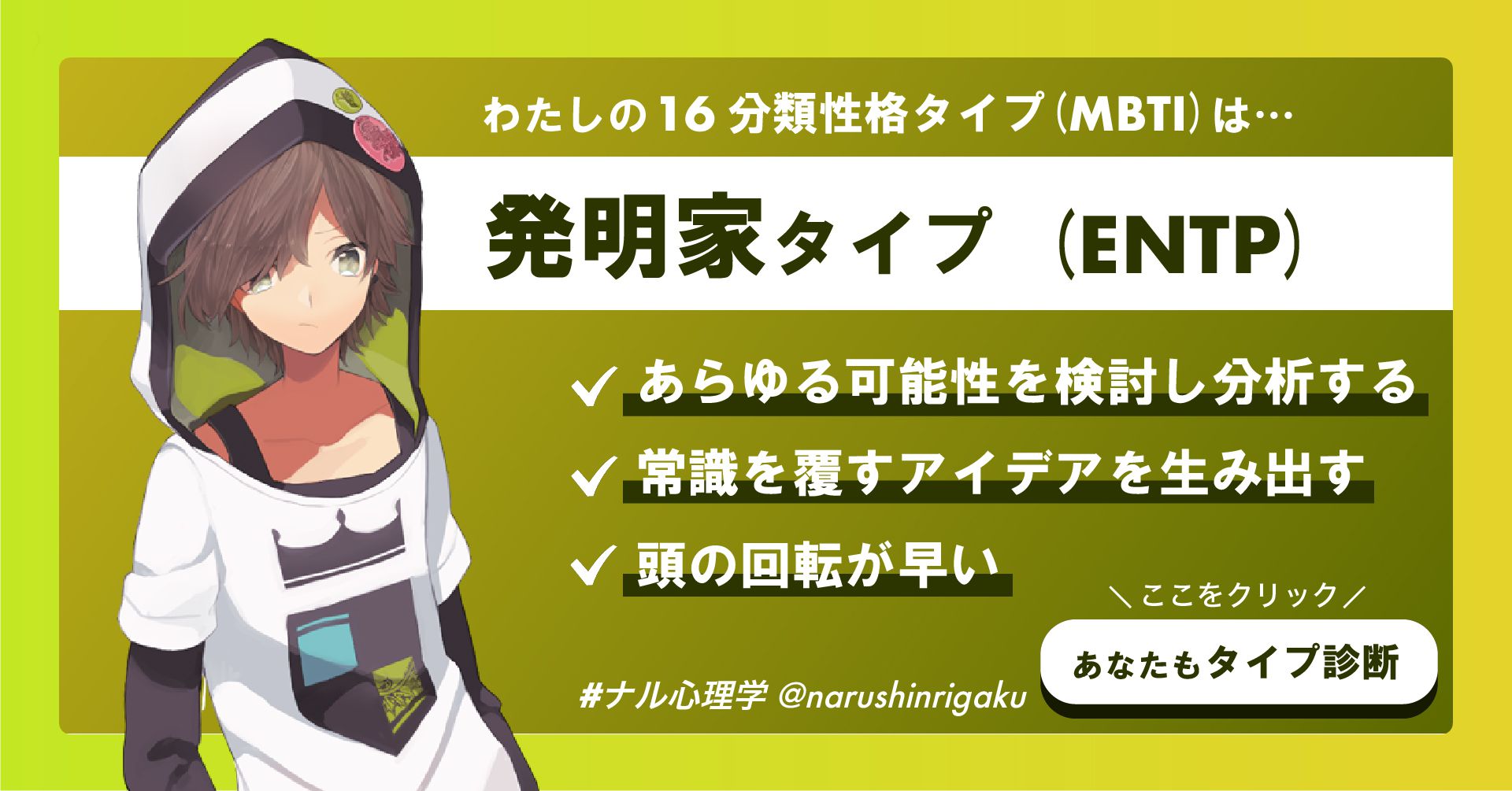
The pattern involves repeatedly improving the immediate part that is "this is how it will turn out," until, before you know it, the whole thing is complete.That's it. People who are generally good at this kind of thinking areENTPAnd so on.
summary
These two ways of thinking have their advantages and disadvantages, and each should be used appropriately depending on the situation.
comment